

Jaws Revisited
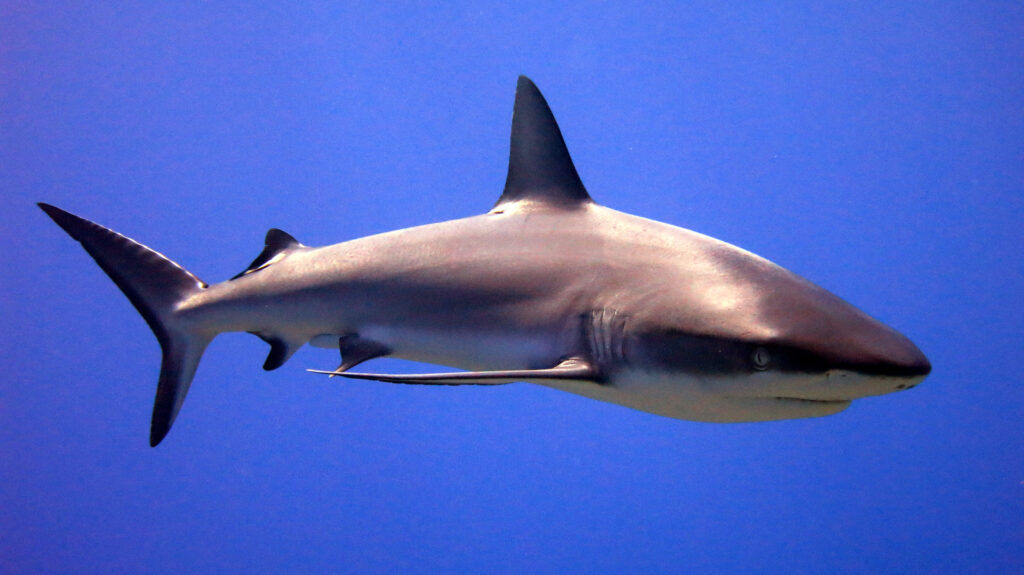
By Henry M. Holden In July 1916, the Matawan Library was listed closed for several months due to an influenza epidemic. So, what do people do for summertime activities? Escape the heat and humidity by heading for the famous Jersey shore and its cooling waters. That month was to find five people victims of shark bites. A series of shark attacks along the New Jersey coast killed four people and critically injured one, sparking nationwide panic and reshaping public perception of sharks. Between July 1 and July 12, 1916, five people were attacked by sharks along the Jersey Shore, with only one survivor. The attacks occurred during a heat wave and polio epidemic, which had driven large crowds to the beaches. The first attack took place on July 1 in Beach Haven, Long Beach Island, when Charles Vansant, a 23-year-old from Philadelphia, was fatally bitten while swimming with his dog. Vansant’s left thigh was stripped of flesh, and he bled to death shortly after being rescued. The second attack occurred on July 6 in Spring Lake, 45 miles north of Beach Haven. Charles Bruder, a 27-year-old bellhop, was swimming over 100 yards from shore when a shark severed parts of both his legs, leading to his death en route to shore The final attacks happened on July 12 in Matawan Creek, a freshwater stream more than a mile from the nearest bay. Eleven-year-old Lester Stillwell was killed, and two men attempting to rescue him were also fatally attacked. A teenage boy was injured but survived. Two days later, fishermen killed a shark believed to be responsible, reportedly containing human flesh in its stomach. Scientists still debate the species and scientific Impact. Scholars debate whether the attacks were caused by a great white shark or a bull shark, with some suggesting multiple sharks may have been involved in it. The attacks challenged contemporary scientific beliefs, as sharks were previously thought to pose little threat to humans. Ichthyologists reassessed shark behavior, and the events influenced shark research and public awareness. The public reaction and cultural legacy is still with us more than 100 years later. The attacks caused widespread panic, leading to shark hunts and bounties offered by the New Jersey governor. Beaches were temporarily enclosed with steel nets, and tourism suffered significant losses. The events entered American popular culture, inspiring Peter Benchley’s novel Jaws and subsequent film adaptations, cementing the image of sharks as dangerous predators . The 1916 Jersey Shore shark attacks remain a landmark event in American history, notable for their rarity, severity, and lasting impact on public perception of sharks. They highlighted the need for improved beach safety and reshaped both scientific understanding and cultural portrayals of sharks Between July 1 and 12, 1916, five people were attacked along the coast of New Jersey by sharks; only one of the victims survived—a child. The first major attack occurred on Saturday, July 1 at Beach Haven, a resort town established on Long Beach Island off the southern coast of New Jersey. Charles Epting Vansant, 23, of Matawan was on vacation at the Engleside H Matawan Hotel with his family. Before dinner, Vansant decided to take a quick swim in the Atlantic with a Chesapeake Bay Retriever that was playing on the beach. Shortly after entering the water, Vansant began shouting. Bathers believed he was calling the dog, but a shark was actually biting Vansant’s legs. He was rescued by lifeguard Alexander Ott and bystander Sheridan Taylor, who claimed the shark followed him to shore as they pulled the bleeding Vansant from the water. Vansant’s left thigh was stripped of its flesh; he bled to death on the manager’s desk of the Engleside Hotel at 6:45 PM. Despite the Vansant attack, beaches along the Jersey Shore remained open. Sightings of large sharks swimming off the coast of New Jersey were reported by sea captains entering the ports of Newark and New York City but were dismissed. The second major attack occurred on Thursday, July 6, 1916, at the resort town of Spring Lake, New Jersey, 45 miles north of Beach Haven. The victim was Charles Bruder, 27, a Swiss bell captain at the Essex & Sussex Hotel. Bruder was attacked while swimming 130 yards from shore. A shark bit his abdomen and severed his legs; Bruder’s blood turned the water red. After hearing screams, a woman notified two lifeguards that a canoe with a red hull had capsized and was floating at the water’s surface. Lifeguards Chris Anderson and George White rowed to Bruder in a lifeboat and realized he had been bitten by a shark. They pulled him from the water, but he bled to death on the way to shore. According to The New York Times, “women [were] panic-stricken [and fainted] as [Bruder’s] mutilated body … [was] brought ashore.” Guests and workers at the Essex & Sussex and neighboring hotels raised money for Bruder’s mother in Switzerland. The next three attacks took place in Matawan Creek near the town of Keyport on Wednesday, July 12. Located 30 mile north of Spring Lake and inland of Raritan Bay, Matawan resembled a Midwestern town rather than an Atlantic beach resort. Matawan’s location made it an unlikely site for interactions between sharks and humans. When Thomas Cottrell, a sea captain and Matawan resident, spotted an 8-foot-long shark in the creek, the town dismissed him. Around 2:00 PM a group of local boys, including young Lester Stillwell, 11, were playing in the creek together. One of the boys had brought along his pet dog, which was swimming with them as well. At an area called “Wyckoff Dock” they saw what appeared to be an “old, black weather-beaten board or a weathered log. A dorsal fin appeared in the water, and the boys realized it was a shark. Before Stillwell could climb from the creek, the shark pulled him underwater. The boys ran to town for help, and several men, including local businessman Watson Stanley Fisher, 24, came to investigate. Fisher and others dove into the creek to find Stillwell, thinking he had suffered a seizure. After locating the boy’s body and attempting to return to shore, Fisher was also bitten by the shark in front of the townspeople, losing